
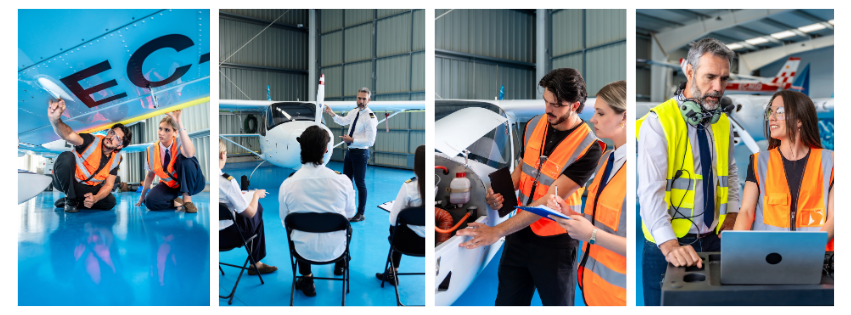
General aviation is not just about flying an aircraft. Behind every flight are many professions that do not require leaving the ground. In European airfields and offices, they are nonetheless essential. Here are ten examples:
- The Air Traffic Controller ensures smooth traffic flow, guides pilots, and keeps aircraft at a safe distance from each other.
- The Aviation Attorney defends the interests of industry players in various fields such as European law, contracts, transport, and insurance.
- The Aeronautic Engineer develops new aircraft, designs propulsion systems, and studies materials.
- The Manufacturing Engineer supervises production systems, from purchasing materials to completing the product.
- The Airframe Mechanic maintains the wings, fuselage, tail assembly, and landing gear.
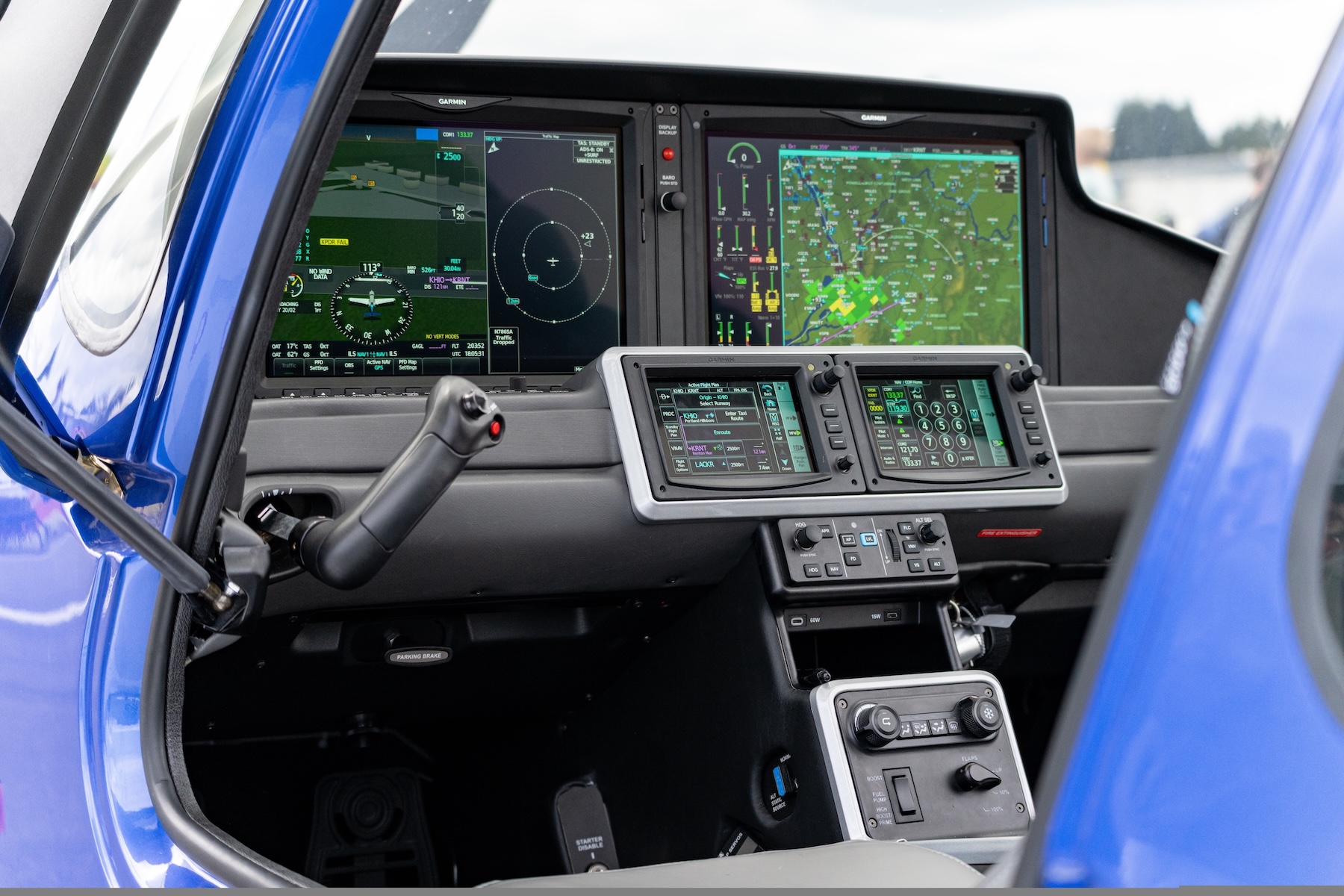
- The Avionics Technician maintains radios, instruments, and onboard systems, including radar and autopilot.
- The Sales Director creates the business strategy and develops new markets and partnerships.
- The Communications Manager manages campaigns and customer relations and promotes the brand.
- The Government Relations Manager represents the organization to institutions and influences regulations.
- The Aviation Medical Examiner provides medical follow-ups for pilots and flight crews.
It isn’t necessary to take the controls of a plane to build a career in General Aviation. These jobs are very different but work well together, and opportunities continue to grow.
Are you interested in these careers? Discover all opportunities in our career tool for ground jobs.

Leave A Comment