

What is General Aviation?
General Aviation (GA) is defined by the International Civil Aviation Organisation (ICAO) as “all civil aviation operations other than scheduled air services and non-scheduled air transport operations for remuneration or hire”. General Aviation aircraft account for 95% of Europe’s civil certified aircraft fleet, and covers a diverse range of activities including:

Pilot training

Business Aviation

Civil search and rescue

Emergency medical services

Law enforcement and fire fighting

Monitoring ground traffic movements from the air

News gathering

Aerial photography

Aerial survey work

Agriculture, including crop spray

Recreationnal flights and Air Sports

Sightseeing or air tours
Why General Aviation Matters
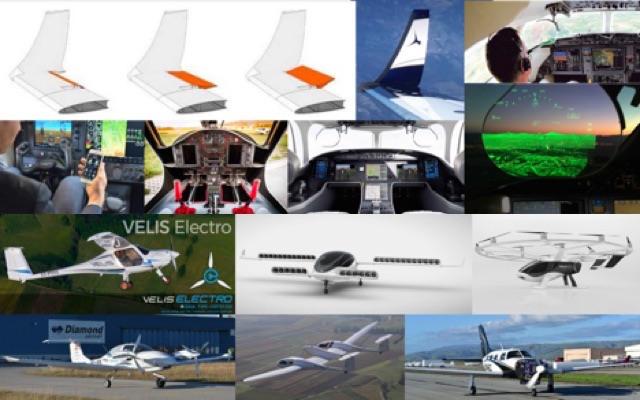
General Aviation – The Route to Decarbonising Aviation
In addition to its diverse contributions to society outlined above, General Aviation has long been the cradle of innovation for the aviation industry.
From improving performance of propulsion systems, such as unleaded piston engines, ultra-efficient turbine engines and novel propulsion technologies as well as the use of Sustainable Aviation Fuels, General Aviation is leading aviation’s decarbonisation efforts. Electric, hybrid-electric and hydrogen (fuel cell or liquid hydrogen) powered aircraft are being developed and in some cases already in production for the General Aviation market. Over time, as these technologies are matured through experience within General Aviation, they will be scaled up to larger passenger transport aircraft.
The same is true for autonomous flight and the rapidly developing Urban/Regional Air Mobility and electric Vertical Take-off and Landing (eVTOL) aircraft. This new form of personal transportation offers immense potential in terms of delivering the European Commission’s goal of sustainable and smart mobility and transport, notwithstanding significant economic benefits to Europe.